










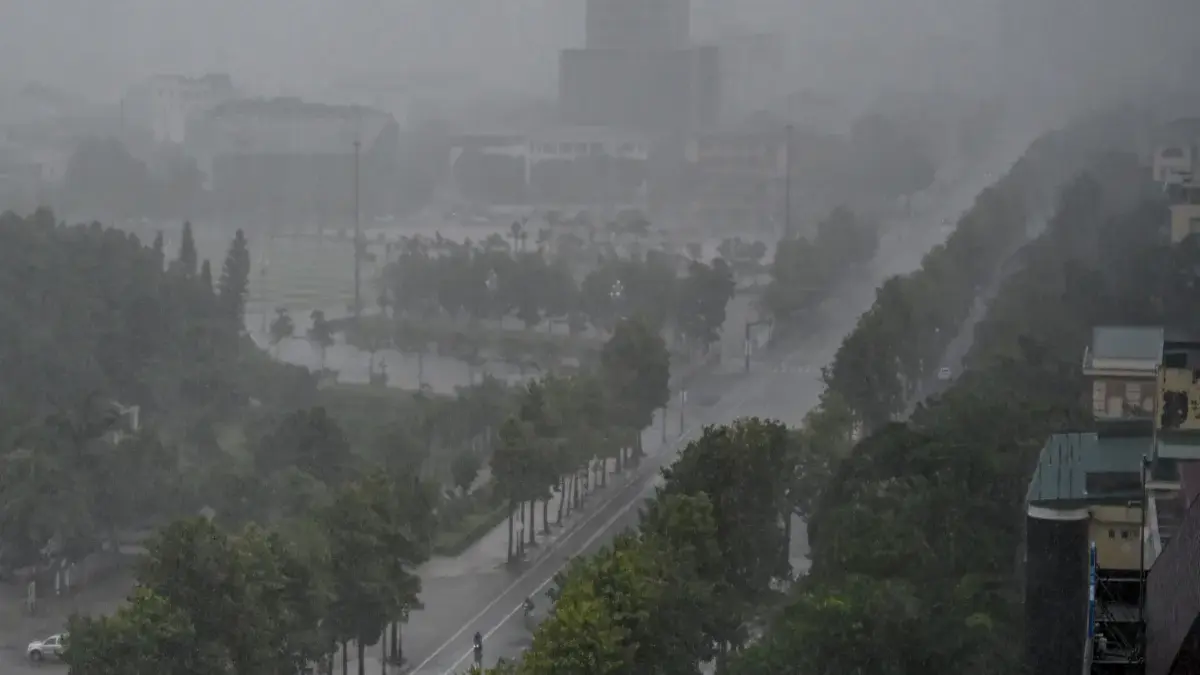
HANOI: Vietnam plans to evacuate more than 250,000 residents from coastal areas on Sunday ahead of the arrival of Typhoon Bualoi, which is expected to lash the country’s steel-producing central belt.
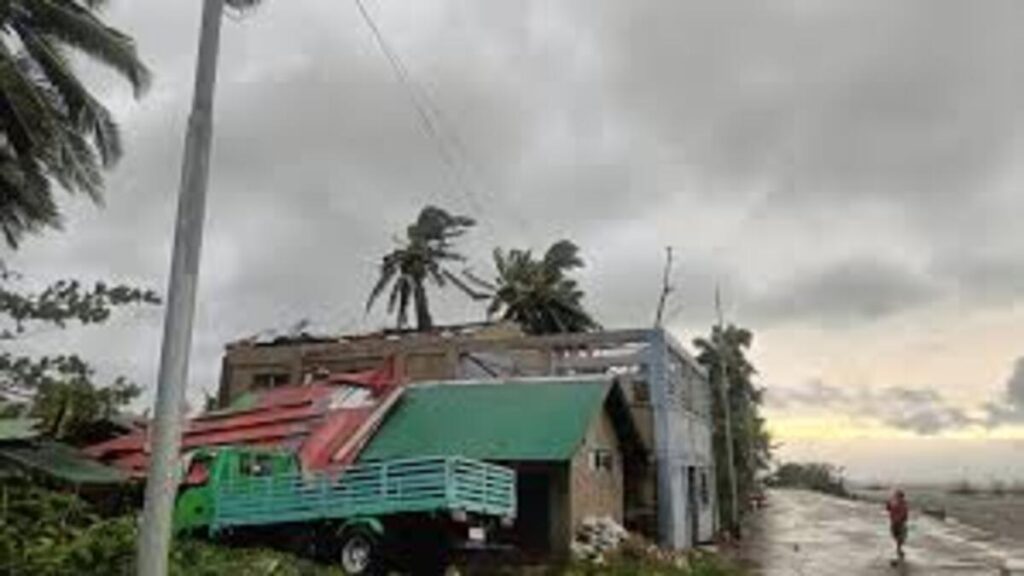
The storm — the 10th to hit Vietnam so far this year — is offshore producing winds of 130 kilometres an hour (80 miles an hour) and is due to reach land at 7:00 pm (1200 GMT), the meteorology agency said.
Central Vietnam’s biggest city Danang will evacuate over 210,000 residents, state media said, and over 32,000 residents of Hue who live in coastal areas are also going to be relocated to safer zones.
Over 15,000 residents in Ha Tinh, a well-known steel production center, have been ordered to be evacuated to converted school and medical center temporary shelters, officials said.
Almost 117,000 troops have been deployed. Four local airports were closed down and all fishing vessels within the path of the typhoon have been recalled to shore.
“I am a little worried but still optimistic that everything would be okay in the aftermath. We were all safe after the last typhoon Kajiki. I hope this one will also be less or the same,” Nguyen Cuong, 29, of Ha Tinh City said to AFP.
Vietnam to evacuate 250,000 in preparation for Typhoon Bualoi
The typhoon is predicted to have winds of about 133 kph when it hits land on Sunday night, Vietnam’s National Center for Hydro-Meteorological Forecasting announced on its website.
“This is a quick-moving storm with extremely high intensity and extensive area of influence, with the potential to cause a mix of different forms of natural disasters including strong winds, heavy rainfall, floods, landslides, and coastal inundation,” state media reported centre chief Mai Van Khiem as saying.
Researchers caution that storms are intensifying as the planet heats up as a result of human-induced climate change.
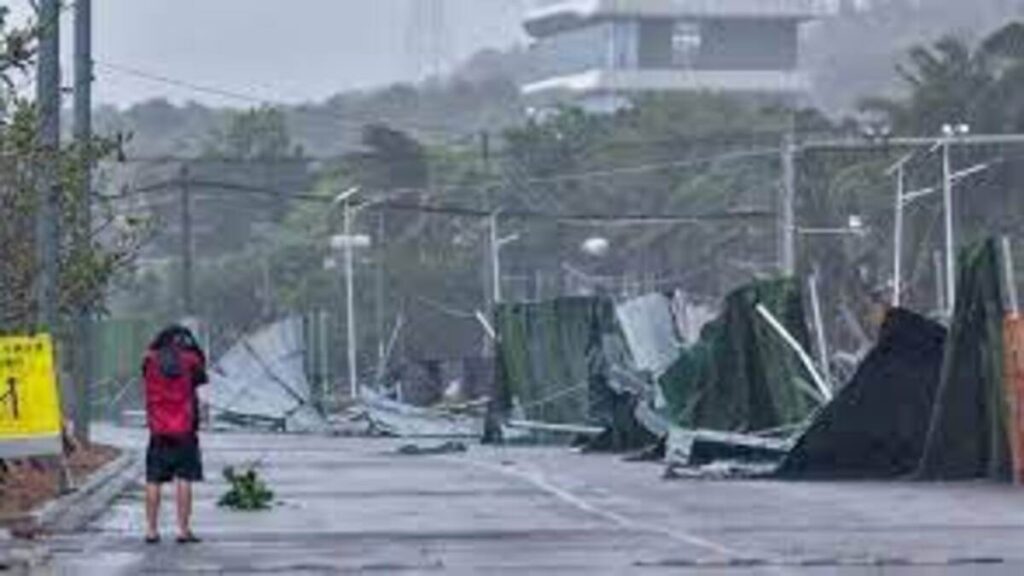
Over 100 were killed or missing due to natural disasters in Vietnam in the initial seven months of 2025, the agriculture ministry reports.
Vietnam lost $3.3 billion in economic damage in September last year because of Typhoon Yagi, which raged through the nation’s north and killed hundreds of people.