











The Mayo College in Ajmer is popularly known as the “Eton of the East” and patterned after England’s elite boarding schools
AJMER: Walking past the gateway to India’s Mayo College is like traveling back 150 years. But the school that was once the exclusive preserve of princes now teaches the new elite.
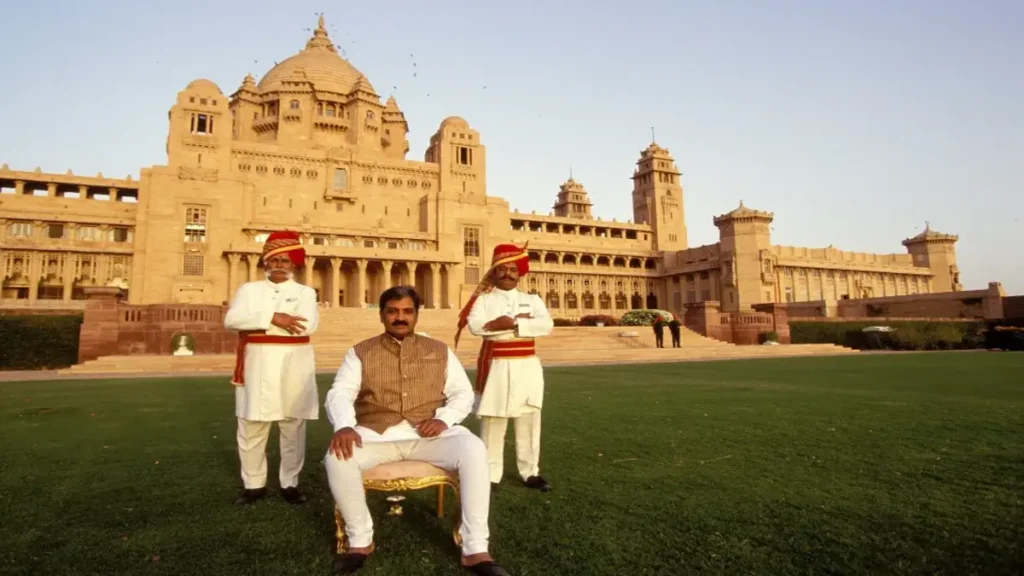
Its past resonates with glory. The earliest pupil, the Maharajah of Alwar’s son, came in 1875 with fanfare, in a palanquin, escorted by 300 servants.
We do attempt to retain a certain tradition of the past,” said Saurav Sinha, principal of the school in Rajasthan’s Ajmer.
“But only to the extent it makes our culture richer, and allows our students to remember who they are, and where they come from.”
Dubbed the “Eton of the East” and patterned after England’s top boarding schools, Mayo was established by the British viceroy, the Earl of Mayo, to promote contact between Indian royalty and London.
Now, fewer than a handful of descendants of royalty out of 850 students aged nine to 18 remain.
They have been replaced by sons and daughters of ministers, tycoons, diplomats and top army officers.
Fees go up to about $11,500 annually — a small fortune in a nation where per capita annual income is some $2,300.
This puts Mayo alongside a select dozen India’s top boarding schools — a far cry from the nearly 1.5 million other schools in the world’s largest country, where over two-fifths have no computers.
For most families, the expense is worth it.
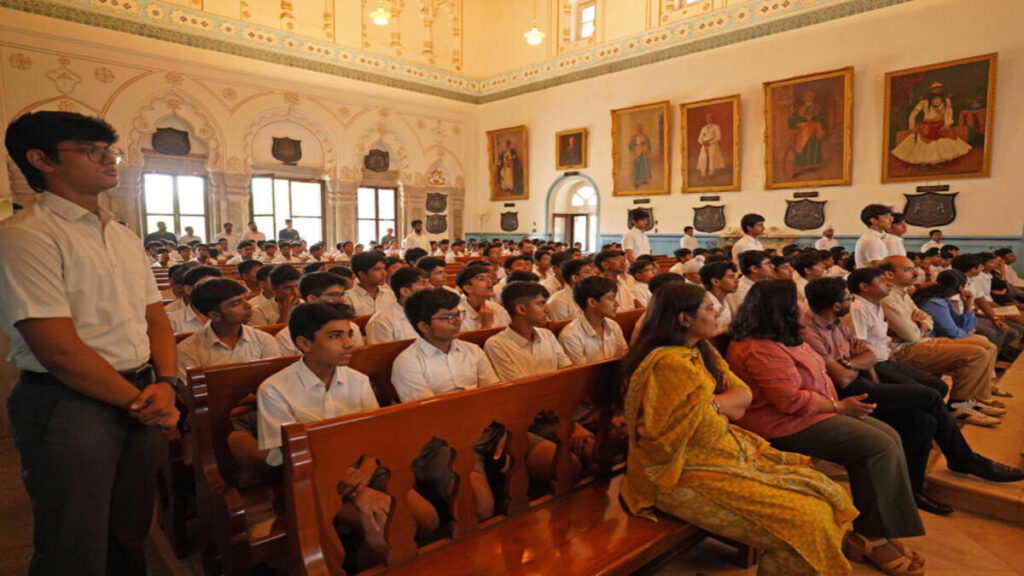
“It was obvious to me to bring my two sons here, since it prepares you for anything,” explained Abhishek Singh Tak, owner of an events business in Jodhpur and a Mayo alumnus himself.
Standing in front of the school’s imposing main building, constructed of marble that recalls the Taj Mahal, he said: “Everything I am today began from here.”
Military discipline
His sons Nirbhay, 10, and Viren, 17, now spend nine months a year in this palatial cocoon.
The younger wants to go to Oxford; the older wants to go to the University of Delhi or Sciences Po in France and be a diplomat.
Although the stern military discipline that earned Mayo his reputation continues to hold sway, recent years have witnessed increased focus on student welfare and self-esteem.
India’s maharajas’ school now training new elite
Headmaster Sinha reconciles “immense regard for the tradition” with a determination to maintain the school “firmly forward-looking and suited to a fast-changing world.”
The 76-hectare campus is an oasis of ancient trees and green lawns — a dramatic contrast to Rajasthan’s desert.
But students enjoy little respite between waking up with the dawn and lights out at 9:30 pm.
“We’re so busy that I don’t have time to think about my family,” teased Arrin, making his classmates laugh.
A year after moving out of Mumbai, the 11-year-old is happy and comfortable.
“What I miss most is home-cooked food,” he said, standing up straight with hands clasped behind his back, as instructed.
Rajesh Soni, principal of the junior school, conceded that the early months are tricky.
Mayo has thus hired psychologists and added female teachers and support staff.
“The focus is to make it a place where happiness prevails, so they can discover and attain their ambitions,” he said, and “everything is done to stimulate their intellectual curiosity”.
Launchpad for ambition
Parents say the results speak for themselves.
My son has gained enormous self-confidence; he has become very independent,” said Daakshi Bhide, 38, a Mayo English teacher whose 10-year-old son boards at the school.
Before classes begin, students wearing white shirts and navy blazers gather for morning assembly, where they say prayers and discuss current events.
The curriculum, taught in English, is broad: science, foreign languages, literature, international relations, art and music.
Afternoons are reserved for sports.
Mayo provides about 20 sports — polo and golf to swimming, shooting and tennis.
Football recently took over from cricket as the campus favorite.
The sports facilities are top-notch: an Olympic-sized pool, a nine-hole course, and stables for 60 horses.
Arrin, a doctor and a businessman for parents, wants to play professional football.
A die-hard Ronaldo fan, he looks at Mayo as the starting point.
One third of students intend to go abroad for study — to Britain, Australia or the United States.
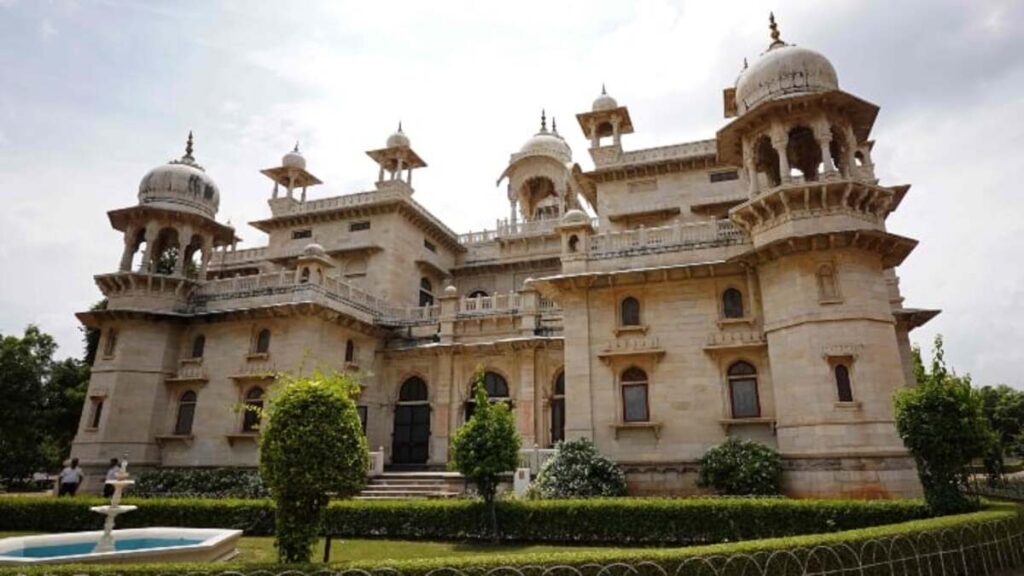
They want to bring prosperity to India. Advaya Sidharth Bhatia, 17, intends to start his own business back home and “help his country.”
Sinha reaffirmed: “I have great regard for this heritage, but Mayo has to always look towards the future.”
To many, that future is precisely why they are here.