








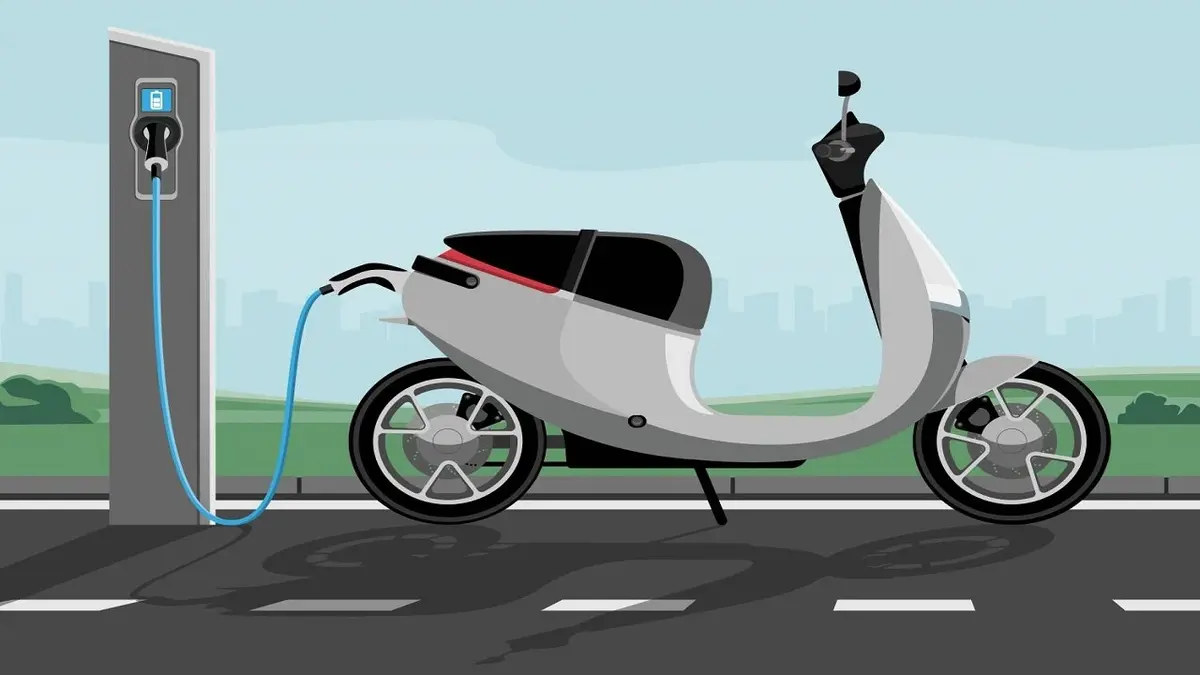
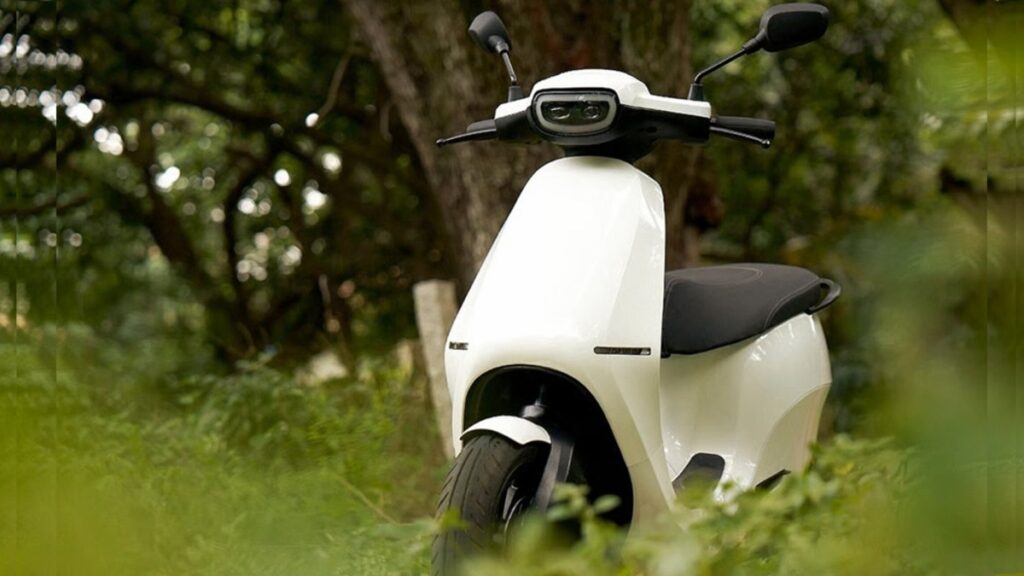
ISLAMABAD: The federal government has launched a ‘Cost Sharing Scheme for Electric Bikes and Rickshaws/Loaders’ to make green mobility more affordable and accessible in Pakistan.
Scheme Size:
As per details published by the State Bank of Pakistan (SBP), through the scheme, about 116,000 electric-bikes and 3,170 e-rickshaws/loaders shall be supported under two phases.
During the first phase, 40,000 e-bikes and 1,000 e-rickshaws/loaders will be delivered, while 76,000 e-bikes and 2,171 e-rickshaws/loaders will be delivered in the second phase.
A minimum of 25 percent of the total e-bikes will be allocated to women, 10 percent to business consumers like delivery riders and couriers, while up to 30 percent of the rickshaws/loaders will be allocated to fleet operators.
Read Also: Sindh to offer women industrial workers free electric motorbikes
Eligibility:
Everybody in Pakistan, including those residing in Gilgit-Baltistan and Azad Jammu & Kashmir, is eligible, with the age band being 18-65 years for e-bikes and 21-65 years for rickshaws/loaders.
Financing is also available for fleet operators, with particular eligibility parameters to be determined by a steering committee.
Financing would be provided through conventional and Islamic banking outlets with the ceiling of loans being Rs.200,000 for e-bikes and Rs.880,000 for rickshaws/loaders. Borrower must pay any excess amount over the Capital Subsidy as a part of upfront equity payment while maintaining debt-to-equity ratio.
A subsidy of a maximum of Rs50,000 for each two-wheeler and Rs200,000 for each three-wheeler will be given, based on an 80:20 debt-to-equity ratio with the subsidy being first adjusted against the down payment. In case the 20 percent equity component is completely subsidized, no further amount shall be paid by the borrower.
Loan Tenure:
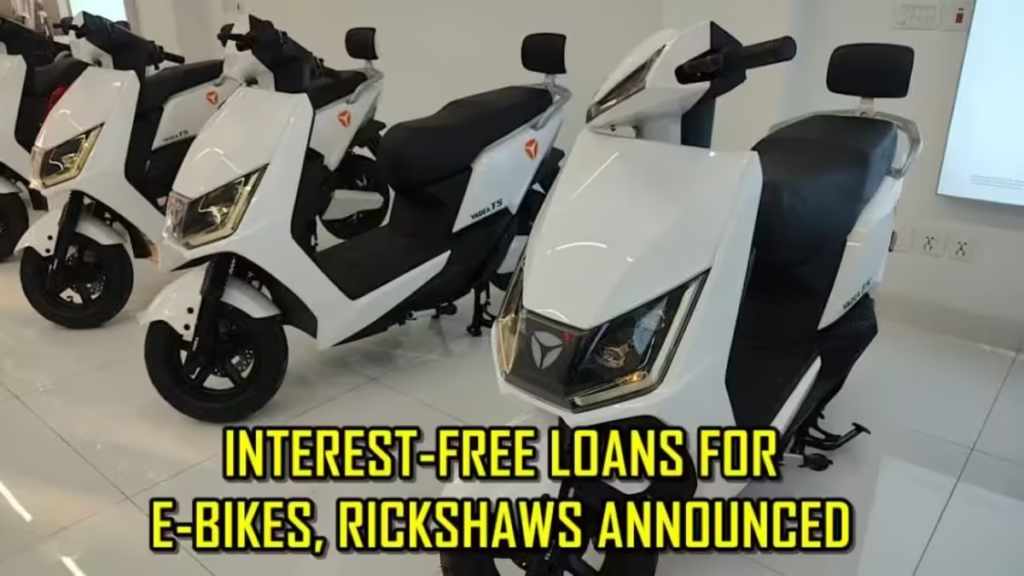
Loan tenors will be up to two years for e-bikes and three years for rickshaws/loaders, with banks to charge six-month KIBOR plus 2.75 percent, although the end-user interest rate will continue to be zero since the federal government will pay the markup subsidy in full.
There will be only principal and insurance charges in installments. The system will run online with minimal human touch, and banks will link with the platform for processing.
Banks will link their systems to a single portal run by the Ministry of Industries & Production and the Engineering Development Board.
Other Features:
Only shortlisted models of vehicles will be eligible. Borrowers will have to submit a valid CNIC and an undertaking in digital form for a driving license.
The cost of background checks through National Database Registration Authority (NADRA) and mobile number portability database will be incurred by the government. Insurance premium will be centrally negotiated and collected upfront in the first year.
Additional conditions include adherence to SBP prudential guidelines, credit report checks, and income validation through salary slips, bank statements, or proxy means.
The plan will not charge any loan processing fee, early settlement fee, or repossession fee, while late payment fees will be on individual banks’ timetables.
Credit Loss Guarantee (CLG):
Borrowers shall be subject to registration and insurance charges, with first-year insurance to be deducted in advance. The government will offer a 20 percent portfolio guarantee on a first-loss basis, and claims will be eligible after default of 180 days. Compulsory documentation shall consist of a valid CNIC and an electronic undertaking for driving license verification.