






- 1072 words
- Estimated reading time 5 min
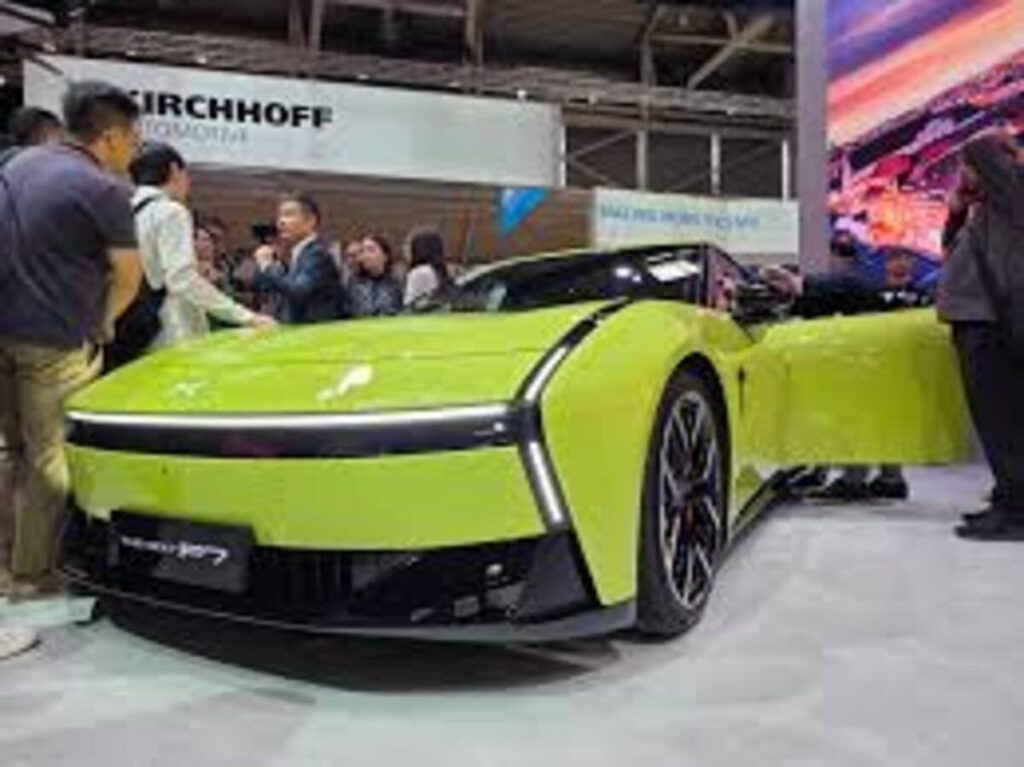
When Audi management first laid eyes on the Zeekr 001 in 2021 — a stylish, long-distance electric vehicle with European design flair — it was an eye-opener. To stay competitive with Chinese carmakers, the German company realized it would have to catch up on their technology.
“The Zeekr 001 at that time surprised quite everyone,” said SAIC Audi Sales and Marketing president Stefan Poetzl. “We had to do something about it.”
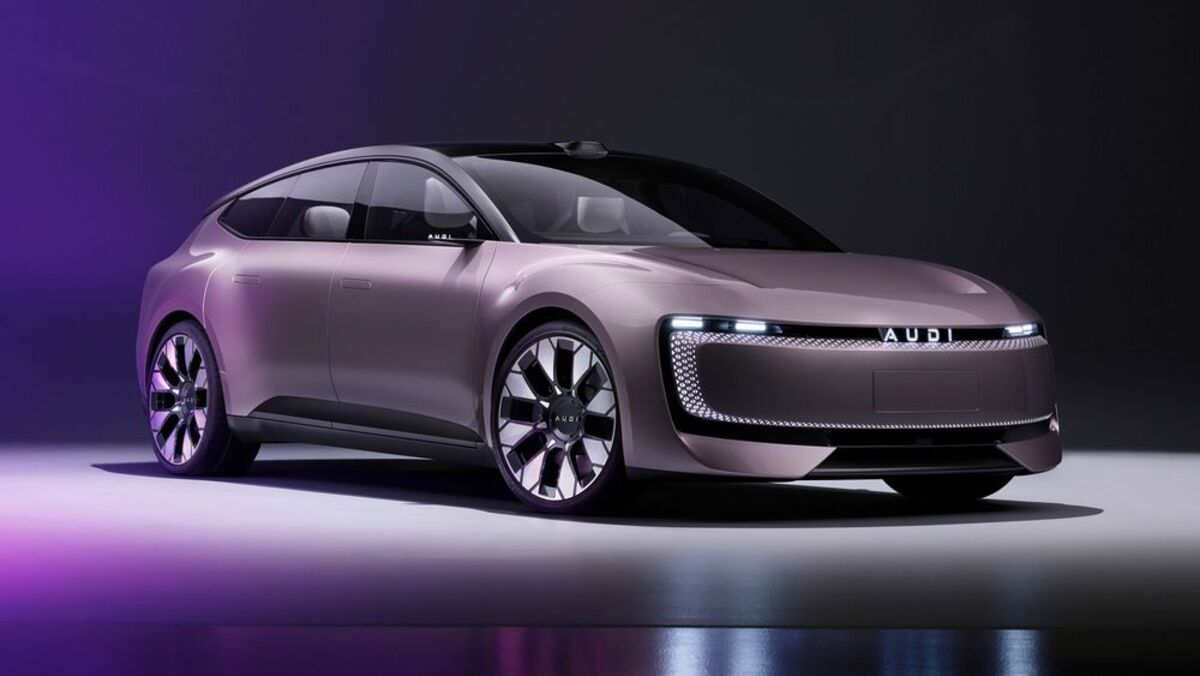
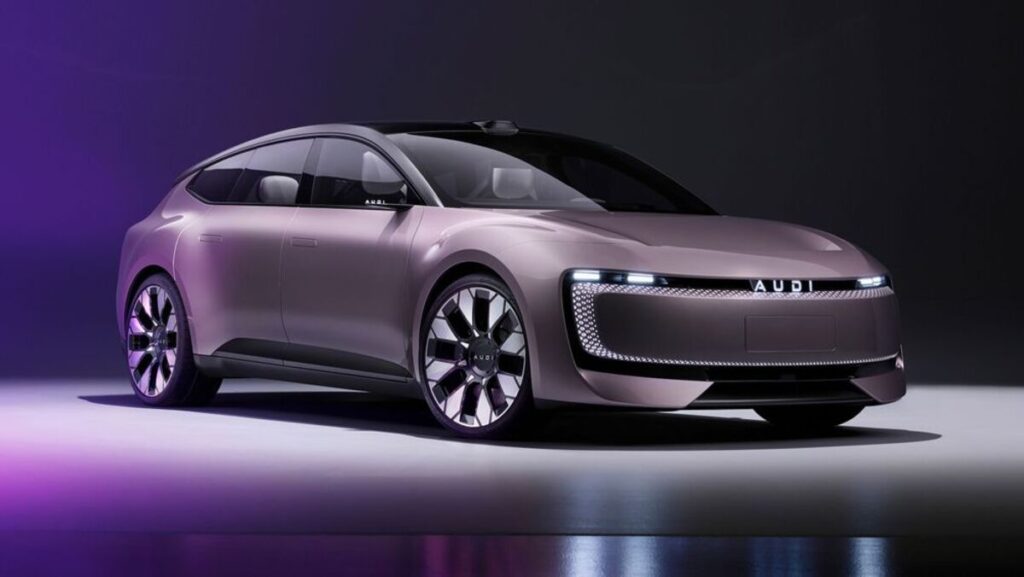
Responding to the challenge, Audi produced the E5 Sportback within 18 months, using technology from its Chinese partner SAIC, such as batteries, an electric powertrain, infotainment software, and advanced driver-assistance systems.
Audi is poised to begin selling the $33,000 EV in China this month and its global competitors are now also eyeing Chinese intellectual property in order to launch new models quickly. Toyota and Volkswagen have co-development plans for China-specific models with Chinese partners’ technology GAC and Xpeng, respectively.
Renault and Ford wish to take it a step further and create global models on Chinese EV platforms, said sources. Renault did not comment when asked. Ford did not comment.
car makers adopt Chinese EV technology new look
These licensing agreements constitute fairly small but increasing revenue streams for Chinese EV manufacturers and, at least for the time being, provide a new quid-pro-quo.
Foreign automakers require Chinese technology to overcome development obstacles and bring new EVs onto the market fast. And Chinese automakers urgently require extra revenues amidst a vicious price war at home and rising trade war overseas.
“It is an extremely clever, win-win solution,” remarked General Manager Will Wang of Shanghai-based consulting firm Autodatas, which issues teardown analysis on best-selling EV models.
‘China inside’
This new tactic is similar to the “Intel Inside” program in the 1990s when US computer chipmaker Intel employed cutting-edge chips to make computers top-of-the-line vehicles.
Chinese carmakers here are selling EV technology in a box: the foundations for build-out-ready, white label battery electric vehicles that are available even to low-production volume producers on tight budgets.
Leapmotor has teamed up with Stellantis to distribute its EVs globally beyond China and is in negotiations with other brands to license out its technology, CEO Zhu Jiangming said in an interview with Reuters.
Employing a pre-made Chinese EV chassis and software will cost billions of dollars and years to develop and allow traditional automakers to catch up with Chinese competitors, auto industry analysts say.
car makers adopt Chinese EV technology new look
Renault was already an early mover, constructing the budget Dacia Spring EV on a Chinese Dongfeng platform to be sold in Europe from 2021.
Renault has now taken it to the next level with the new electric Twingo being developed at its innovation hub in Shanghai, with technical assistance being drawn from a Chinese EV design company, Launch Design, in crafting an EV platform, two of the people said.

Launch did not comment on requests for comment.
Other “China Inside” models may be on the horizon. Ford is looking for a Chinese partner to supply EV platform technologies, two people familiar with the situation said. CEO Jim Farley has also regularly tested Chinese EVs and recently praised Xiaomi’s SU7 electric sedan.
Volkswagen has accelerated plans to build China-specific models of every type of fuel based on platforms co-developed with Xpeng, employing the latter’s electronics and software layout designs.
Experts note traditional automakers normally find it difficult to craft nimble EV systems that can be fast-updated, as a result of convoluted organisational layouts.
That is why Volkswagen would like to know whether Xpeng’s EV technologies can be a complement or substitute to Volkswagen’s own, Yale Zhang, managing director at Shanghai consultancy AutoForesight, said. If it is successful in China, Volkswagen can extend the strategy to the world, Zhang said.
A Volkswagen China spokesperson said its cooperation with Xpeng was currently focused on China.
Xpeng’s He Xiaopeng has stated that the two automakers are interested in taking their partnership outside of China. That would increase Xpeng’s revenue without establishing factories abroad, according to Autodatas’ Wang.
Oliver Wyman analyst Marco Santino explained that conventional automakers might leverage the “firepower” of aggressive Chinese EV competition to leapfrog the development cycle.
“You get a much more quality-proof product in the market in a shorter timeframe,” Santino added.
More choice?
Emboldened by Tesla, China’s automakers have created modular platforms that reduce costs and speed up development and lower entry barriers. “They are fast learners from Tesla,” Forest Tu, a former CATL executive and founder of consulting firm Mapleview Technology, said.
That lead is now large enough to support “licensing and royalty service” as Chinese automakers go international, Tu added.
CATL used that strategy with Ford, licensing its technology for a battery factory.
Sharing Chinese technology may enable less-industrialised nations to develop their own “national EV brands,” Tu said.
Abu Dhabi-based CYVN Holdings, which is a strategic investor in Nio, has created its own high-end EV model based on the chassis and software from the Chinese EV manufacturer.
CYVN acquired British sports car manufacturer McLaren in April and will now sell its EV under the McLaren brand, two people who know the situation said. But subsequent models will include much more McLaren “DNA” and less Chinese tech, one of them said.
Nio had no comment. CYVN did not return a request for comment.
CATL’s new EV chassis, meanwhile, will allow consumers to “decide what an EV looks like, rather than having giant automakers decide what to sell,” its executive president Hu Guoliang said.
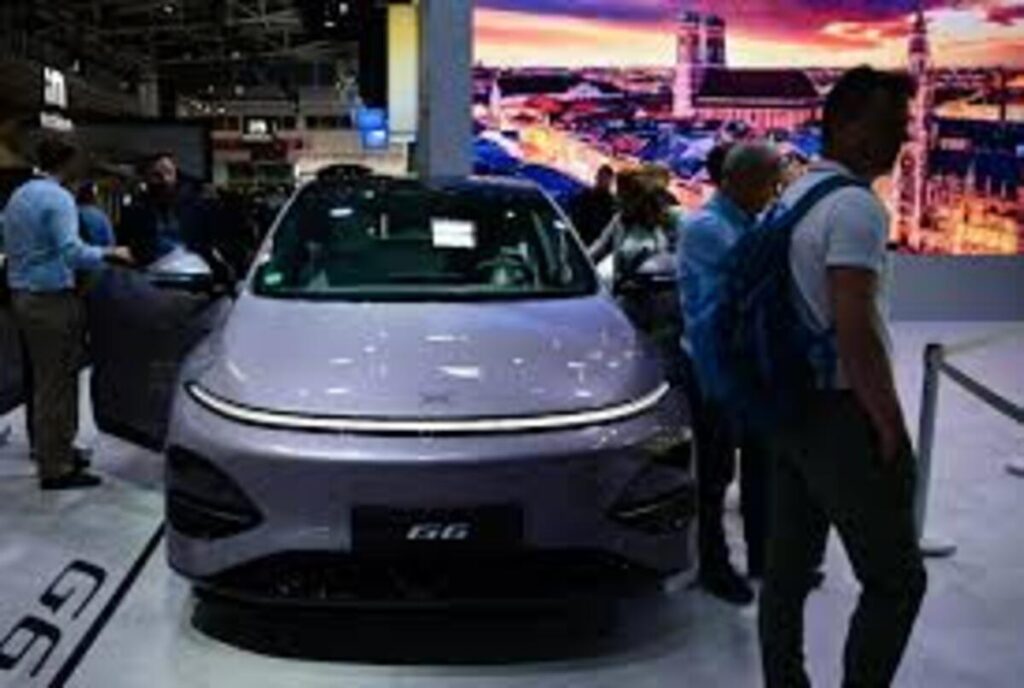
CATL said it would ramp up chassis production in the next three years after signing with several domestic automakers. Its Bedrock Chassis debuted in Europe this week at the IAA Mobility show in Munich.
Whether the shared advantages of China’s EV tech persist over the longer term, however, is a question mark.
Former Aston Martin CEO Andy Palmer opined that though there were cost savings in R&D, auto manufacturers must not over-rely on third-party tech. “In the long term, you’re screwed because you’re just a retailer,” Palmer said.
Oliver Wyman’s Santino added the major danger for mainstream automakers is that employing someone else’s technology leaves “your ability to differentiate your brand really limited.” By mixing in their own technology, automakers can “cut the risk,” Santino said.